
Investing in Indian real estate is an important opportunity for Non-Resident Indians (NRIs) looking to build long-term assets, generate rental income, or maintain a connection with their home country. However, property investment involves several considerations related to eligibility, documentation, financing, taxation, and applicable regulations. The following frequently asked questions provide a general overview to help NRIs understand the property-buying process in India.
Q. Who is considered a Non-Resident Indian (NRI)?
Answer: An NRI generally refers to an Indian citizen who resides outside India. NRI status can depend on applicable laws and regulations, including provisions under the Foreign Exchange Management Act (FEMA) and relevant income-tax rules. Since residential status can vary based on individual circumstances, NRIs should verify their status under the applicable regulations.
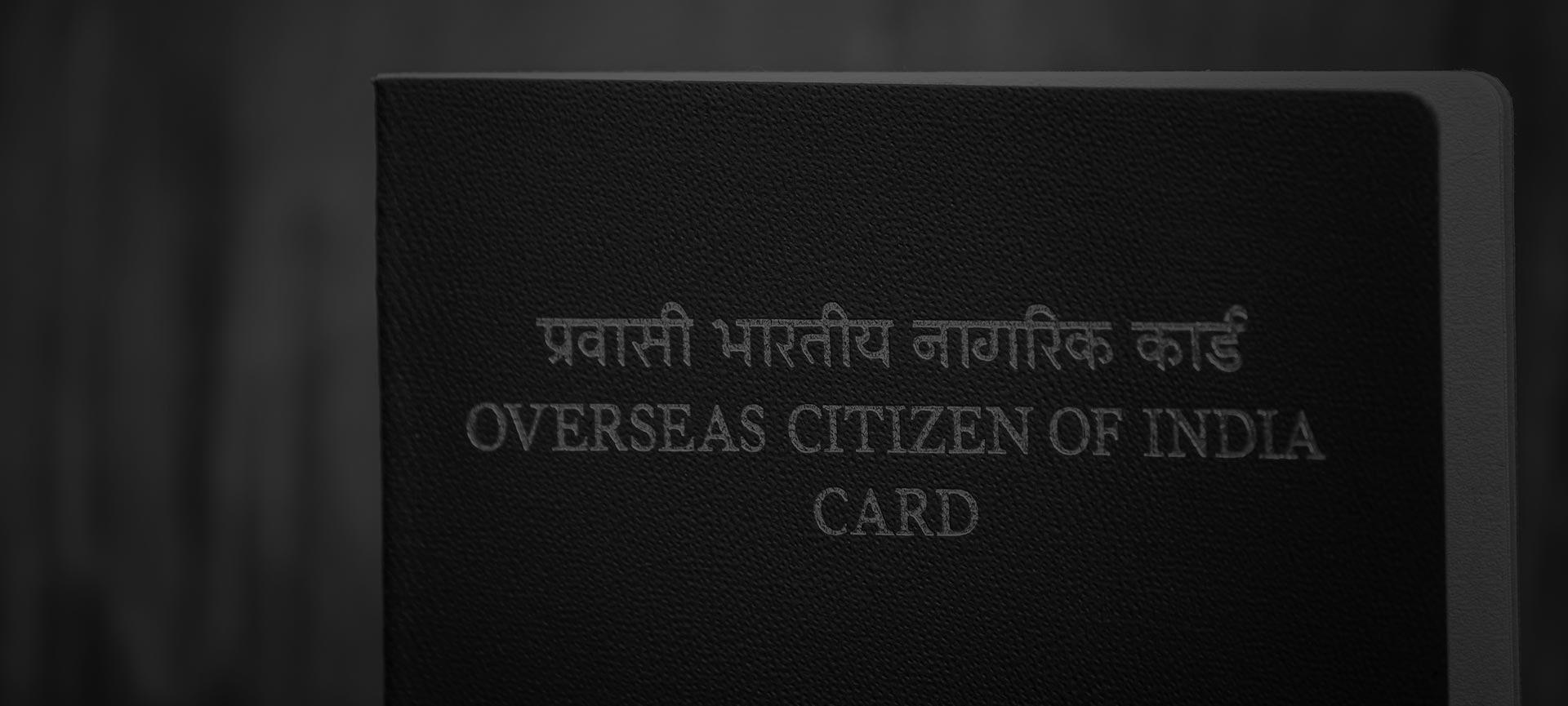
Q. What is an Overseas Citizen of India (OCI)?
Answer: An Overseas Citizen of India (OCI) is a person of Indian origin who has been granted OCI status by the Government of India, subject to the applicable eligibility criteria. Property ownership rights for OCI cardholders are governed by applicable Indian laws and FEMA regulations.
Q. Can NRIs or OCI cardholders buy property in India?
Answer: Generally, NRIs and eligible OCI cardholders can purchase residential and commercial properties in India under the applicable FEMA regulations without requiring prior RBI approval in ordinary circumstances. Restrictions and specific conditions may apply to agricultural land, plantation property, and farmhouses. Buyers should verify the latest regulations before completing a transaction.
Q. Is RBI approval required for purchasing residential property?
Answer: In general, NRIs and eligible OCI cardholders can purchase residential or commercial property under the general permission framework provided by applicable FEMA regulations. Specific circumstances may have additional requirements, so it is advisable to confirm the latest RBI and FEMA provisions before making an investment.
Q. What payment methods can NRIs use to purchase property?
Answer: Property payments should generally be made through permitted banking channels in accordance with applicable FEMA and banking regulations. Depending on the circumstances, funds may be remitted to India or transferred through eligible NRE, NRO, or FCNR accounts. Buyers should confirm the permitted payment mechanism with their authorised bank or financial advisor.
Q. Can an NRI rent out a property in India?
Answer: Yes, NRIs can generally rent out eligible residential or commercial properties in India. Rental income is subject to applicable Indian tax laws and reporting requirements. NRIs should also understand the applicable TDS, taxation, and repatriation rules related to rental income.
Q. Are home loans available to NRIs?
Answer: Yes. Several Indian banks and housing finance institutions offer home loan facilities to eligible NRIs. Loan eligibility, interest rates, tenure, documentation, income requirements, and repayment conditions vary between lenders. Applicants should compare available options and choose a loan based on their financial profile and repayment capacity.
Q. What documents are generally required for an NRI home loan?
Answer: Document requirements may vary depending on the lender, country of residence, employment status, and property. Commonly requested documents may include:
Q. What is a Home Loan Sanction Letter?
Answer: A Home Loan Sanction Letter is a formal communication issued by a lender after evaluating the applicant's eligibility. It generally mentions details such as the approved loan amount, applicable interest rate, repayment tenure, terms, and other conditions. The final disbursement is subject to fulfilment of the lender's applicable requirements and conditions.
Q. Can an NRI appoint someone in India to complete property formalities?
Answer: Yes. An NRI can generally authorise a trusted person in India through a properly executed Power of Attorney (PoA) to handle specified property-related activities on their behalf. The PoA must comply with applicable legal, stamping, notarisation, and registration requirements depending on the transaction and location.
Q. Can an NRI gift residential property in India?
Answer: NRIs can generally transfer eligible residential or commercial property by way of gift, subject to applicable FEMA provisions, Indian property laws, tax rules, and other legal requirements. The eligibility of the recipient and nature of the property should be carefully verified before completing the transfer.
Indian real estate continues to attract interest from NRIs looking for long-term asset creation, lifestyle opportunities, rental income, and portfolio diversification. Locations across Noida, Greater Noida, Noida Extension, Sector 150, Noida Expressway, and the Yamuna Expressway have witnessed significant infrastructure development and increasing residential and commercial activity.
For NRIs considering residential property, apartments such as 2 BHK and 3 BHK homes in well-connected and developing locations can offer a practical combination of lifestyle convenience and potential long-term value. Factors such as location, developer reputation, connectivity, project approvals, construction quality, amenities, rental demand, and future infrastructure should be carefully evaluated before investing.
At ACE150Projects, we aim to make the property-buying journey more transparent and convenient by providing professional guidance and information for homebuyers and investors. NRIs should always conduct appropriate legal and financial due diligence and consult qualified professionals for advice specific to their individual circumstances.